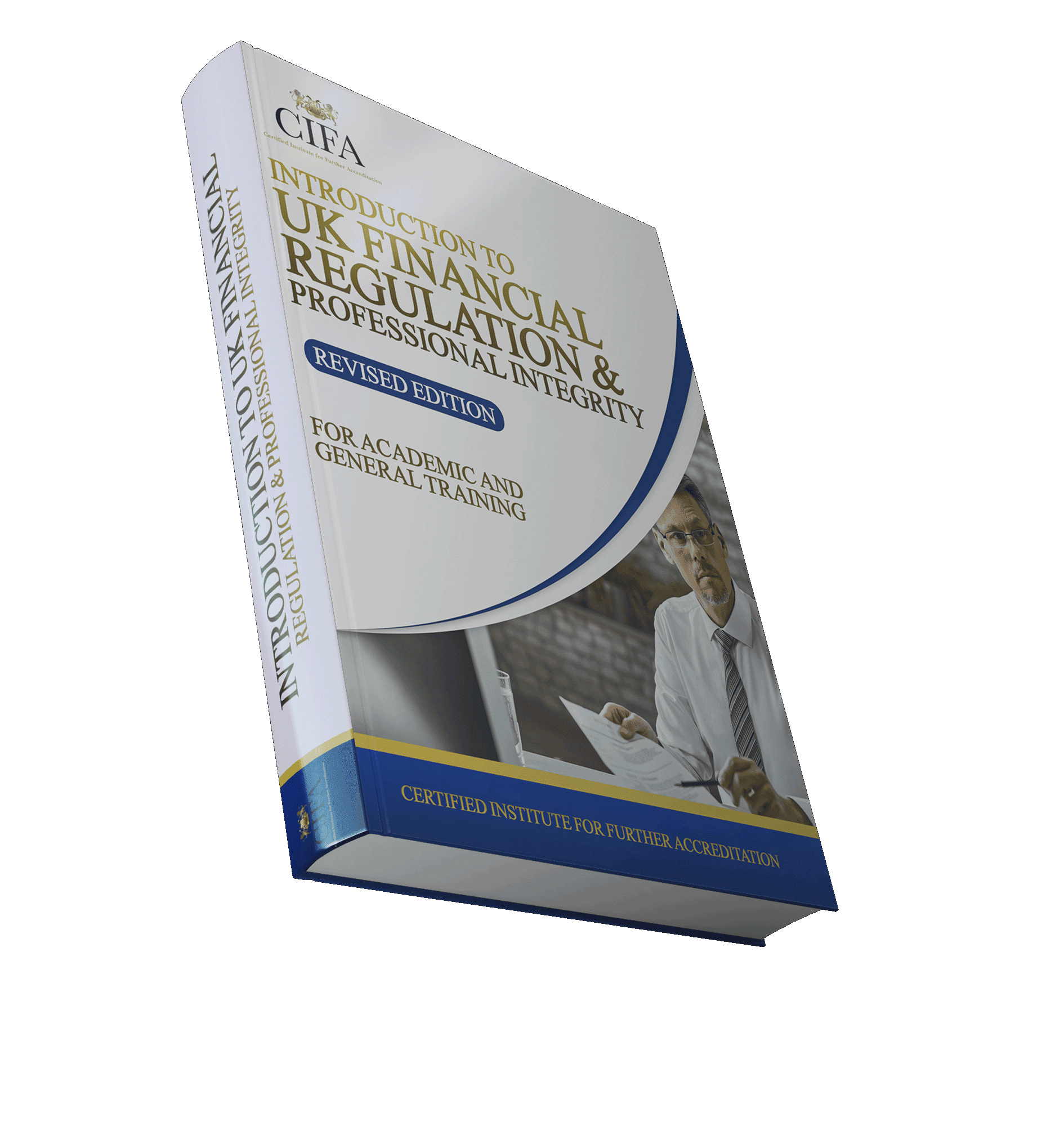
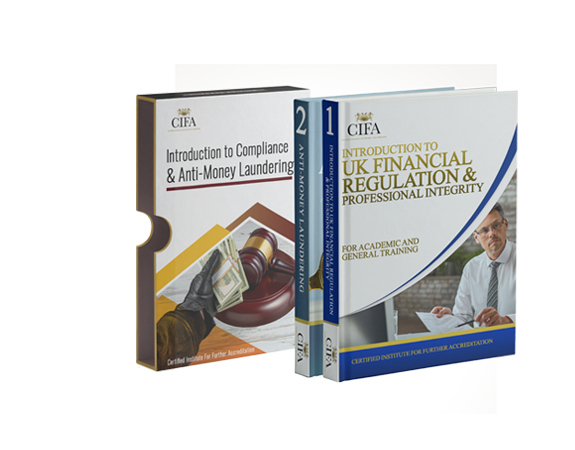
The Introduction to UK Financial Regulation and Professional Integrity course offers a comprehensive overview of the regulatory framework governing financial services in the United Kingdom. It is designed to equip learners with a clear understanding of how the UK financial system is regulated, the importance of ethical conduct, and the professional responsibilities required to protect consumers and maintain market integrity.
This course serves as a strong foundation for anyone working in, or aspiring to enter, the financial services sector, where compliance, transparency, and trust are critical.
Understanding the UK Financial Regulatory Environment
The course provides detailed insight into the structure of UK financial regulation and the role of key regulatory bodies such as the Financial Conduct Authority (FCA) and the Prudential Regulation Authority (PRA). Learners will understand how these regulators oversee financial institutions, enforce standards of conduct, and safeguard consumers and financial stability.
Participants will also explore the pivotal role of the UK government in the economy, including its influence on financial markets, regulation, and consumer protection.
Professional Integrity and Ethical Standards
Ethical conduct is at the core of professional financial services. This course places strong emphasis on integrity, fairness, and transparency, helping learners understand how ethical decision-making underpins public trust and long-term sustainability in finance.
Participants will examine real-world ethical considerations faced by financial professionals and learn how professional behaviour aligns with regulatory expectations and legal obligations.
Consumer Protection and Financial Responsibility
A key element of the course is understanding the financial needs, priorities, and risk factors affecting UK consumers. Learners will gain knowledge that enables them to address client concerns responsibly, ensuring that financial advice and services are delivered in a compliant and consumer-focused manner.
The course also introduces legal concepts relevant to financial advice, helping professionals safeguard clients’ interests while complying with applicable legislation.
Key Learning Outcomes
By completing this course, learners will be able to:
Understand the role of the UK government in the economy and its impact on financial markets and consumer protection
Identify the financial needs, priorities, and risk factors faced by UK consumers
Apply ethical principles such as integrity, fairness, and transparency in financial services
Understand the regulatory strategies of the FCA and PRA and how they protect consumers
Analyse factors influencing the UK financial services sector, including economic, regulatory, and technological developments
Gain introductory knowledge of legal concepts relevant to financial advice and compliance
Understand the structure of UK financial regulation and the responsibilities of key regulatory bodies
Interpret the FCA’s principles, rules, and conduct standards governing financial advice providers
Who Should Enrol
This course is suitable for individuals involved in or transitioning into the financial services industry, including:
Investment Bankers
Asset Managers
Compliance Officers
Risk Managers
Legal Professionals working in Finance
Accountants and Auditors in the Financial Sector
Professionals transitioning into Financial Services roles
Certification
Upon successful completion of the proctored examination, learners will receive a digital certificate. A printed certificate can also be delivered by post upon request (additional charges apply).
All certifications are fully accredited and do not expire, providing long-term professional value.
Accreditation
This course is fully accredited and aligned with current UK regulatory and industry standards. It provides learners with up-to-date knowledge and practical understanding, enhancing professional competence and effectiveness within the financial services sector.